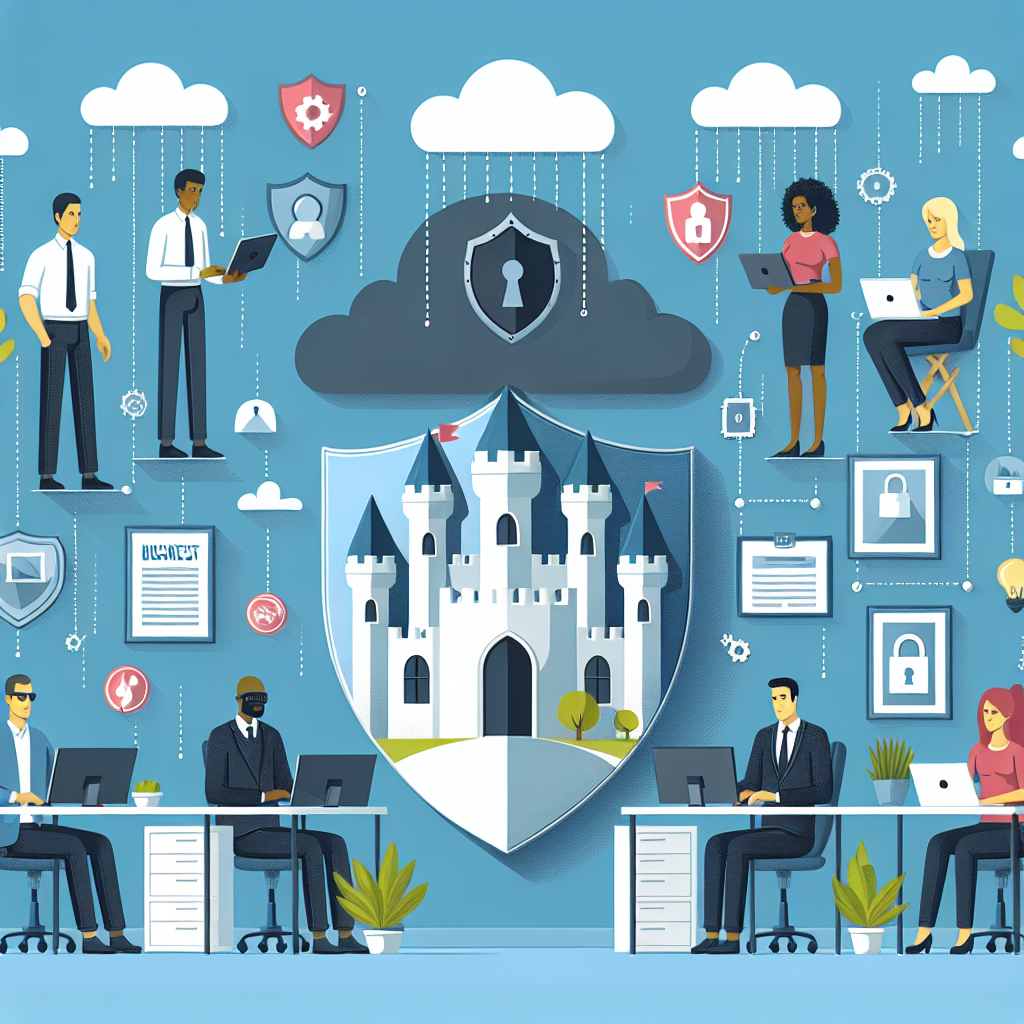
In today’s digital age, cybersecurity threats are not just a concern for large corporations. Small businesses are increasingly targeted by cybercriminals looking to exploit vulnerabilities. With limited resources and tight budgets, small enterprises are often seen as easy prey, making it crucial to prioritize cybersecurity measures to protect data and maintain customer trust.
One of the most prevalent threats facing small businesses is phishing—fraudulent attempts to obtain sensitive information by pretending to be a trustworthy entity. These scams often come in the form of emails that appear to be from credible sources, such as banks or professional associations, tricking employees into divulging confidential data. To combat this, small business owners should invest in regular training sessions to educate their teams on recognizing suspicious emails and implementing safe online practices.
Another common challenge is ransomware attacks, where hackers seize control of a business’s data and demand payment to release it. Such attacks can cripple operations and result in significant financial losses. Implementing a robust data backup strategy is critical in mitigating the damage caused by ransomware. Regularly backing up data to secure off-site locations ensures that businesses can quickly restore operations without yielding to ransom demands.
Small businesses should also conduct routine security audits and vulnerability assessments to identify potential risks. This involves evaluating and updating software and systems to patch security vulnerabilities and prevent unauthorized access to sensitive information. Utilizing managed IT services can greatly enhance this effort by providing expert advice and advanced security tools tailored to the unique needs of small enterprises.
Finally, developing a comprehensive cybersecurity policy is paramount. This should include guidelines for safe internet use, password management protocols, and a clear response plan for potential cyber incidents. Encouraging employees to use strong, unique passwords and employing multi-factor authentication can significantly reduce the chances of cyberattacks.
In a world where cyber threats are constantly evolving, small business owners cannot afford to overlook cybersecurity. By investing in education, regular audits, and advanced security measures, small businesses can protect themselves against threats and ensure long-term success in today’s competitive landscape.